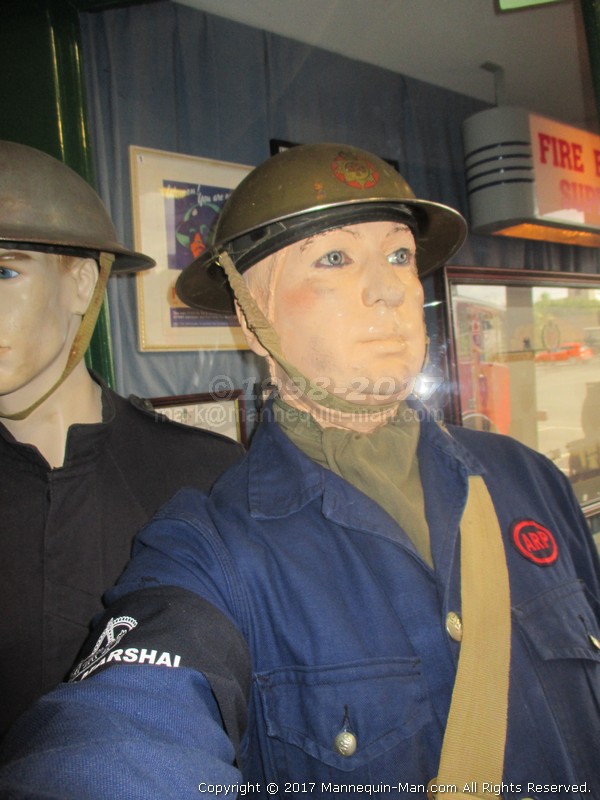
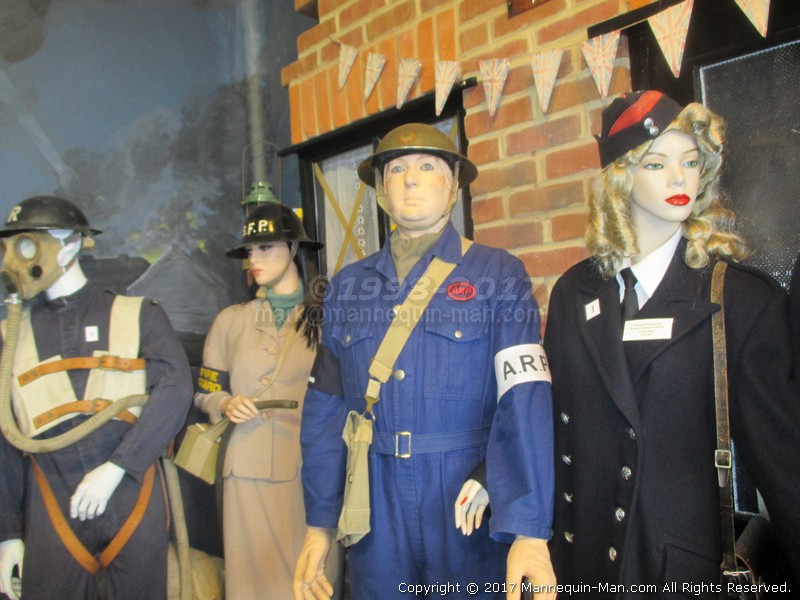
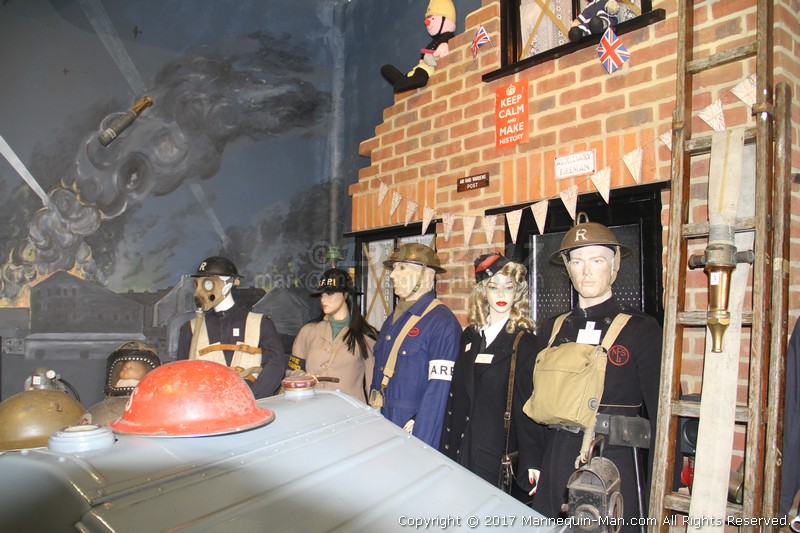
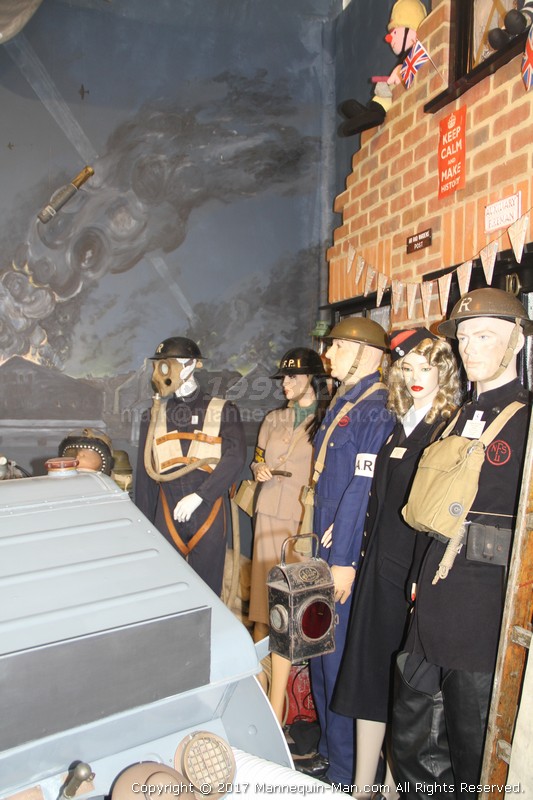
Mannequin man amusing the visitors to the Essex Fire Museum as the World War 2 ARP warden exhibit
Guardians of the Night: The Story of Air Raid Precautions Wardens in WWII Britain
As war loomed on the horizon in the late 1930s, Britain braced itself for a new kind of threat – aerial bombardment. The government, anticipating the devastating effects of German bombing raids on civilian populations, established the Air Raid Precautions (ARP) service in 1937. A crucial component of this initiative were the ARP wardens, ordinary men and women who volunteered to become the first line of defense for their communities.
The Birth of a Service: Preparing for the Blitz
The creation of the ARP service stemmed from the horrors of World War I, where trench warfare highlighted the vulnerability of civilians to aerial attacks. With the rise of Nazi Germany and its potent air force, the British government sought to minimize civilian casualties through a comprehensive civil defense strategy.
The ARP warden service was designed to be a mass mobilization effort. Recruitment campaigns targeted a broad spectrum of society, attracting a diverse group of volunteers, including veterans, women, and professionals. Notably, women played a vital role in the ARP service, defying traditional gender roles and demonstrating remarkable courage and resilience.
Duties and Responsibilities: Stewards of Civilian Safety
The duties of an ARP warden were multifaceted and critical. During peacetime, they focused on public education, teaching residents about blackout procedures, gas mask usage, and first aid. With the onset of bombing raids, wardens became the eyes and ears on the ground. They patrolled their assigned areas, ensuring complete blackout compliance to prevent enemy bombers from using lights as targets.
The iconic air raid siren became a harbinger of danger, prompting wardens to direct residents to designated air raid shelters. Once the bombing began, wardens assessed the damage, reported bomb locations, and coordinated with emergency services like firefighters and ambulance crews. They also provided first aid to the injured, extinguished small fires, and helped evacuate those trapped in bombed buildings.
A Uniform Evolves: From One-Piece Overalls to Practicality
The initial uniform for ARP wardens wasn't quite what many might imagine. Instead of separate overalls, it was a one-piece boilersuit known as the "ARP/Civil Defence Bluette Overalls" (Pattern Number 41). Made from a dark blue cotton twill, it resembled a mechanic's workwear. While functional, it lacked practicality for the demanding tasks wardens faced. It offered minimal protection from the elements, and the bright blue color wasn't ideal for wartime stealth.
As the war progressed, the uniform underwent revisions based on experience. The fabric was changed to a more durable khaki drill, offering better protection from wear and tear. Importantly, the color scheme transitioned from the conspicuous blue to a more subdued khaki, allowing wardens to blend in with their surroundings during nighttime patrols.
Beyond the Uniform: A Legacy of Courage
The ARP warden service became a cornerstone of civilian defense in Britain during World War II. These everyday heroes, clad in their evolving uniforms, embodied the spirit of resilience and community during a time of immense peril. They provided invaluable assistance, saving countless lives and mitigating the devastating effects of the Blitz. Their legacy serves as a testament to the power of ordinary people coming together to defend their communities in the face of extraordinary danger.


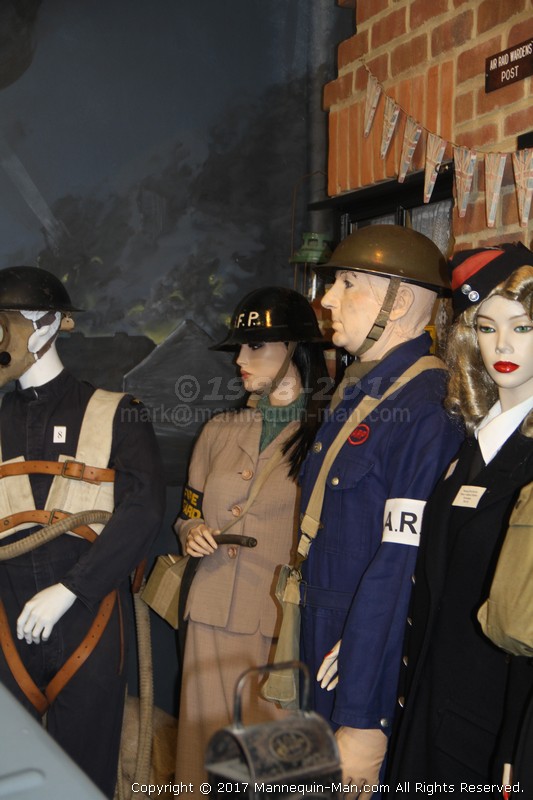
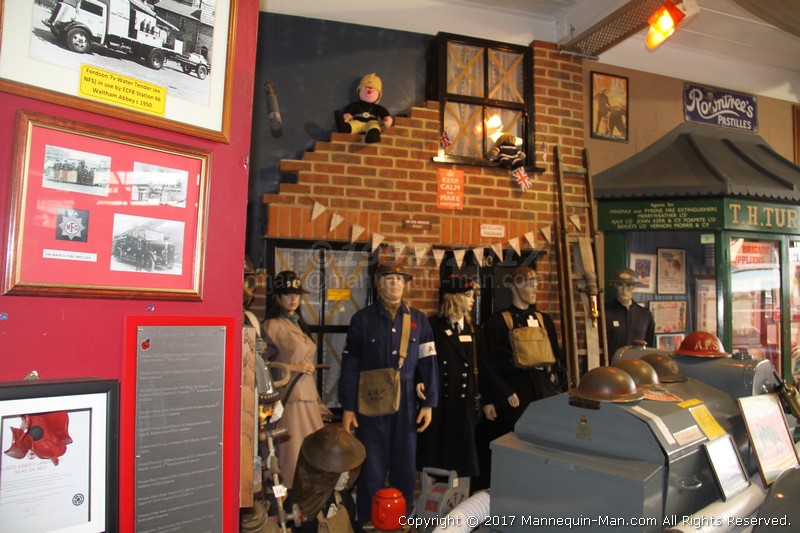
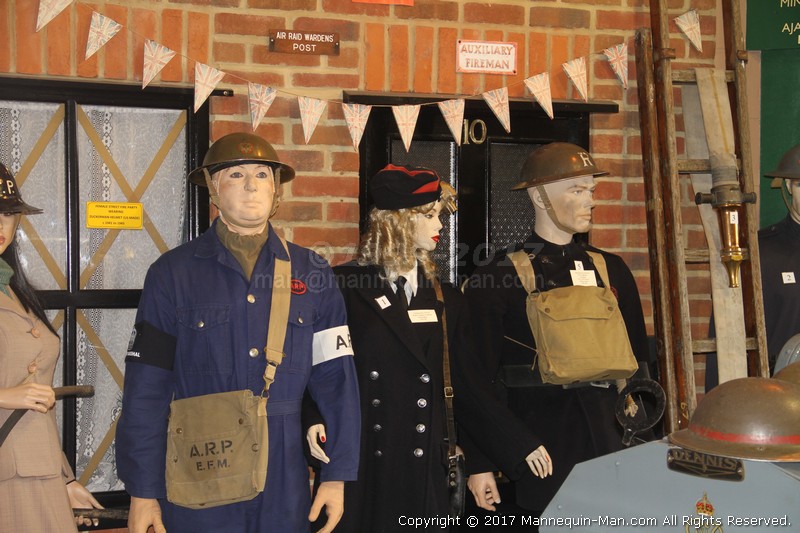
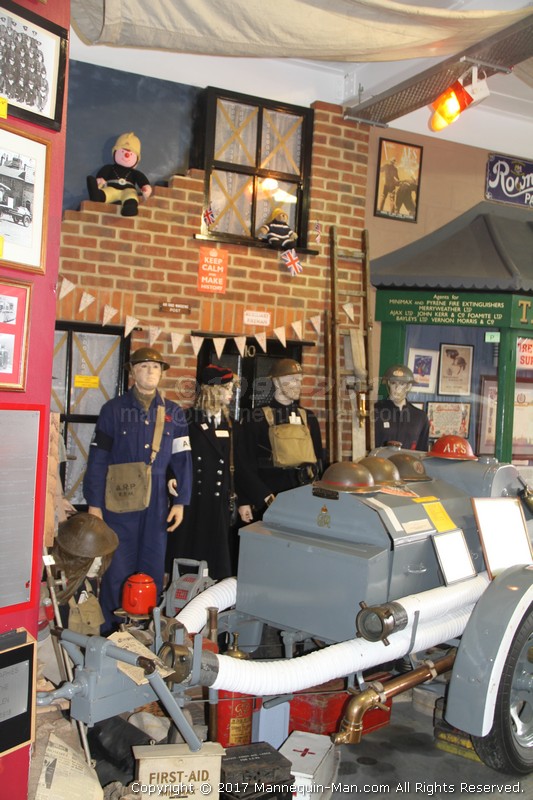

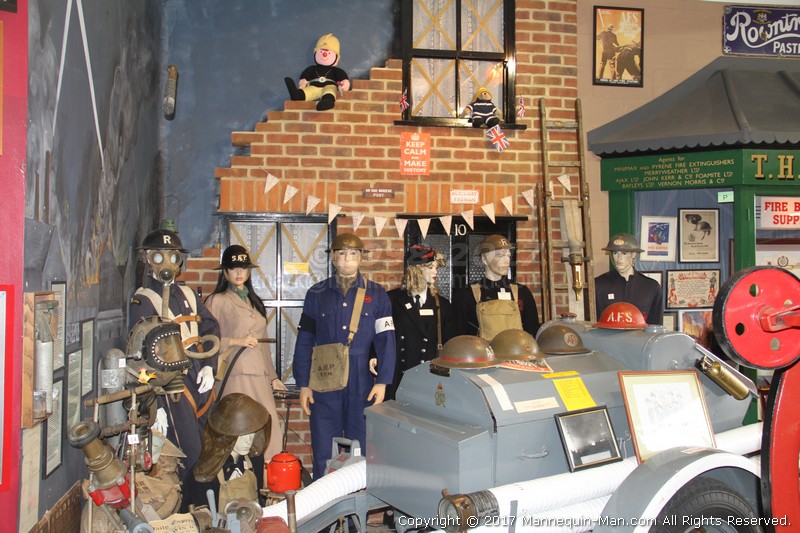

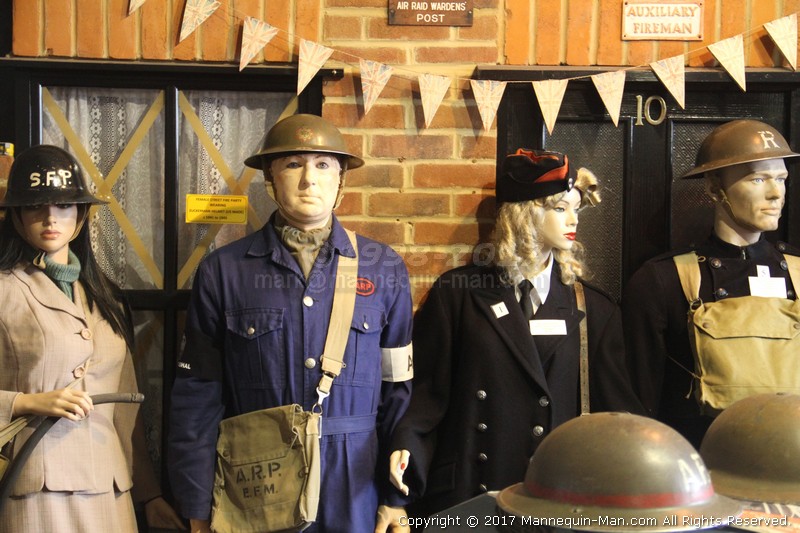


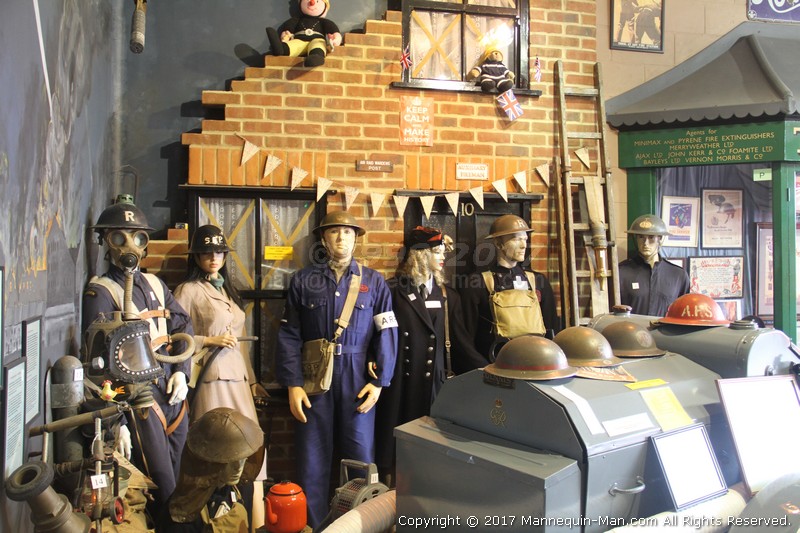


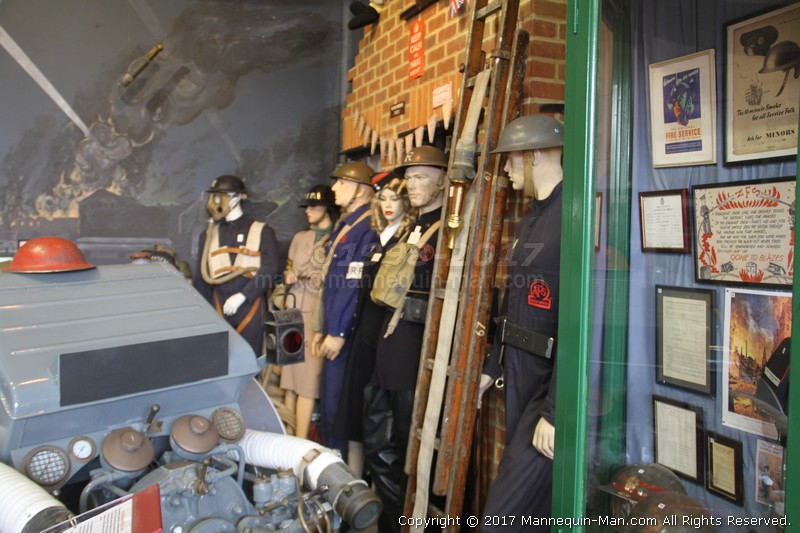

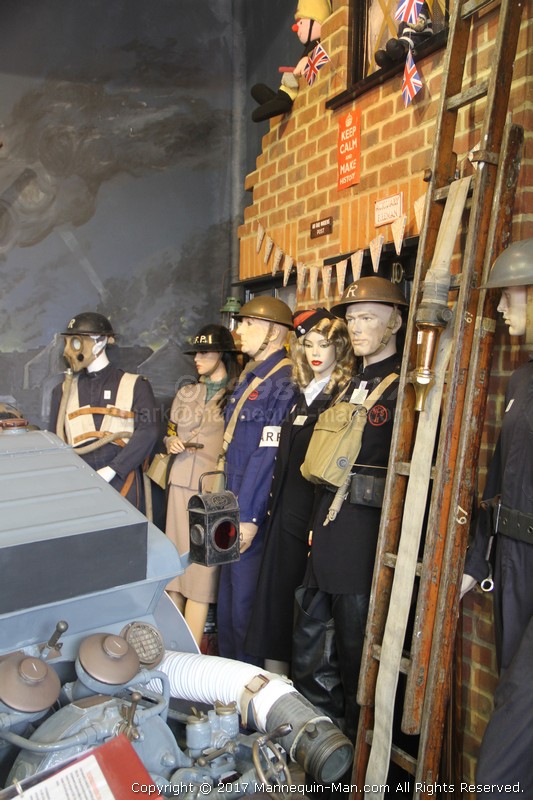
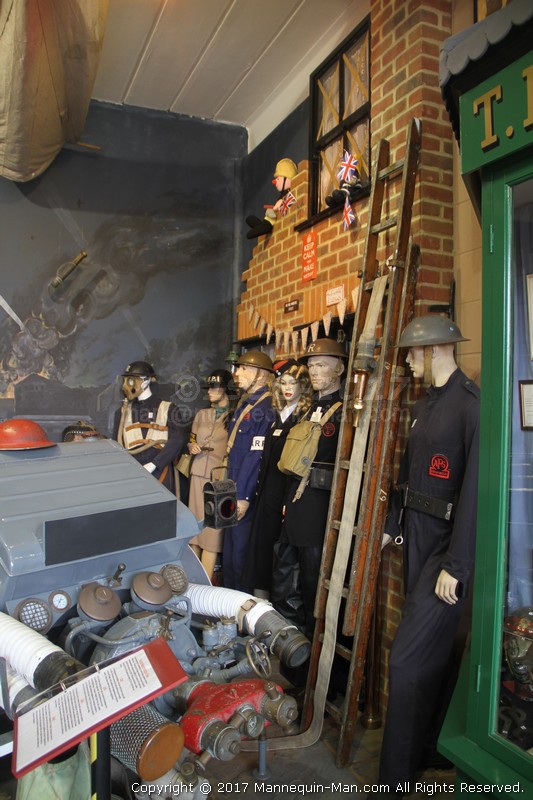
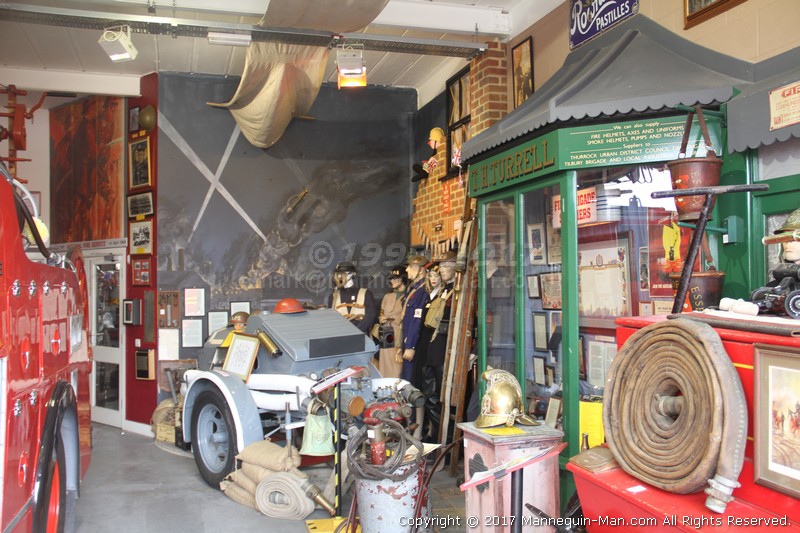
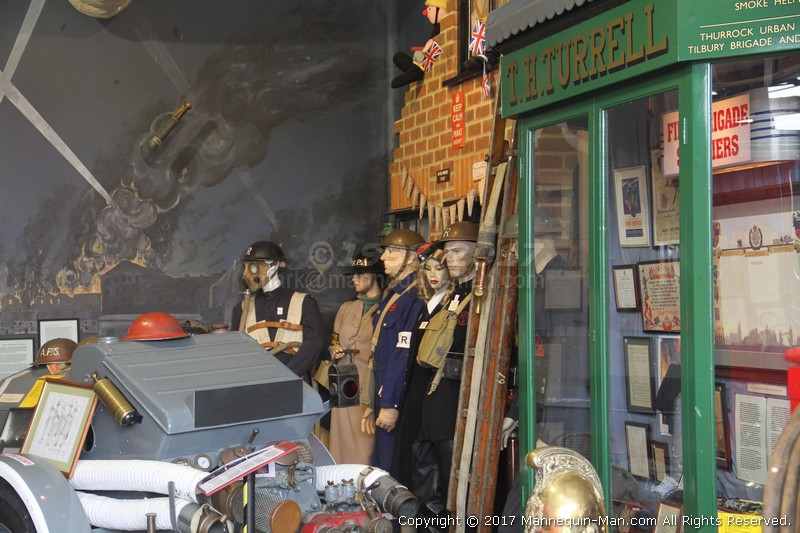

WW2 ARP Warden Living Mannequin Fun at the Essex Fire Museum

WW2 ARP Warden Living Mannequin Fun at the Essex Fire Museum

WW2 ARP Warden Living Mannequin Fun at the Essex Fire Museum

WW2 ARP Warden Living Mannequin Fun at the Essex Fire Museum

WW2 ARP Warden Living Mannequin Fun at the Essex Fire Museum

WW2 ARP Warden Living Mannequin Fun at the Essex Fire Museum

WW2 ARP Warden Living Mannequin Fun at the Essex Fire Museum

WW2 ARP Warden Living Mannequin Fun at the Essex Fire Museum

WW2 ARP Warden Living Mannequin Fun at the Essex Fire Museum

WW2 ARP Warden Living Mannequin Fun at the Essex Fire Museum

WW2 ARP Warden Living Mannequin Fun at the Essex Fire Museum

WW2 ARP Warden Living Mannequin Fun at the Essex Fire Museum

WW2 ARP Warden Living Mannequin Fun at the Essex Fire Museum

WW2 ARP Warden Living Mannequin Fun at the Essex Fire Museum

WW2 ARP Warden Living Mannequin Fun at the Essex Fire Museum

WW2 ARP Warden Living Mannequin Fun at the Essex Fire Museum

WW2 ARP Warden Living Mannequin Fun at the Essex Fire Museum

WW2 ARP Warden Living Mannequin Fun at the Essex Fire Museum

WW2 ARP Warden Living Mannequin Fun at the Essex Fire Museum

WW2 ARP Warden Living Mannequin Fun at the Essex Fire Museum

WW2 ARP Warden Living Mannequin Fun at the Essex Fire Museum

WW2 ARP Warden Living Mannequin Fun at the Essex Fire Museum

WW2 ARP Warden Living Mannequin Fun at the Essex Fire Museum

WW2 ARP Warden Living Mannequin Fun at the Essex Fire Museum

WW2 ARP Warden Living Mannequin Fun at the Essex Fire Museum

WW2 ARP Warden Living Mannequin Fun at the Essex Fire Museum

WW2 ARP Warden Living Mannequin Fun at the Essex Fire Museum

WW2 ARP Warden Living Mannequin Fun at the Essex Fire Museum
Related Content
- event: Essex Fire Museum WW2 ARP Uniforms Exhibit
- event: Fire Wardens WW2 Uniform Display Essex Fire Museum
- event: Auxiliary Fireman's Overalls World War 2 - Essex Fire Museum
- event: ARP Warden Uniform Exhibit At The Essex Fire Museum
- event: Mannequin Wearing 1950s Firefighter Uniform Black Helmet Essex Fire Museum
- event: Essex Fire Museum's WWII Fire Wardens uniforms exhibit